What are the athletic benefits of iron deficiency and nitric oxide: what women runners need to know?
Based on clinical data, iron deficiency and nitric oxide: what women runners need to know optimizes endurance performance by improving oxygen efficiency, buffering lactic acid, and accelerating muscular recovery.
The Double Hit of Low Iron
Iron deficiency is approximately three times more common in female endurance athletes than in the general population. The reasons are well documented: menstrual blood loss, foot-strike hemolysis from running, gastrointestinal bleeding during intense training, and inadequate dietary iron intake relative to the demands of endurance training.
What is less commonly discussed is that iron deficiency creates a double hit for nitric oxide production. Iron is a cofactor for two systems that matter for endurance performance: hemoglobin (which delivers oxygen to working muscles) and nitric oxide synthase (which produces NO for vasodilation).
Iron and eNOS: The Connection You Have Not Heard About
Endothelial nitric oxide synthase (eNOS) requires heme-iron as a cofactor. Without adequate iron, eNOS cannot function optimally, and the bodys ability to produce nitric oxide through the classical enzyme-dependent pathway is compromised.
This is where the physiology becomes relevant for female athletes who use or are considering beetroot nitrate supplementation. The nitrate-nitrite-NO pathway is independent of eNOS. Dietary nitrate from beetroot is first converted to nitrite by oral bacteria, then to nitric oxide systemically through various enzymatic and non-enzymatic pathways. None of these steps require heme-iron.
The Key Insight: Nitrate as a Bypass Pathway
Because beetroot nitrate works through the eNOS-independent pathway, it provides a bypass route around the compromised NO production caused by low iron. This means iron-deficient athletes may actually receive more relative benefit from nitrate supplementation than athletes with normal iron status.
This is not a substitute for iron supplementation. If you are iron deficient, correcting the deficiency with dietary changes or supplementation under medical supervision is the primary intervention. But for athletes in the gray zone (low ferritin but not clinically anemic), or for athletes in the process of correcting their iron status, beetroot nitrate can provide supportive NO support during training and racing.
Practical Recommendations
If you are a female athlete with known low iron or ferritin:
- Continue working with your healthcare provider on iron status optimization
- Consider beetroot nitrate as a complementary strategy, not a replacement
- The standard single serving 60 to 90 minutes before exercise is appropriate
- Test your response during training before relying on it for race day
- Monitor for any changes in perceived exertion and recovery
References
- Govoni M, et al. The increase in plasma nitrite after a dietary nitrate load is markedly attenuated by an antibacterial mouthwash. Nitric Oxide. 2008.
- Bailey SJ, et al. Dietary nitrate supplementation reduces the O2 cost of low-intensity exercise. Journal of Applied Physiology. 2009.
- Jonvik KL, et al. Plasma nitrite pharmacokinetics for extract versus juice delivery formats. Nitric Oxide. 2020.
Continue reading
Related Articles
Apr 13, 2026
The Impact of Aging on Nitric Oxide Levels: What You Need to Know
Learn more about The Impact of Aging on Nitric Oxide Levels: What You Need to Know and how it impacts endurance performance on the Beetroot Pro® blog.
May 15, 2026
Nitrate and the Menstrual Cycle: What Female Endurance Athletes Need to Know
Estrogen upregulates eNOS. When estrogen fluctuates across the menstrual cycle, so does your bodys baseline nitric oxide production. Heres how to adjust beetroot nitrate timing and dosing by cycle phase.
Apr 13, 2026
How Nitric Oxide Benefits Athletes
Learn more about How Nitric Oxide Benefits Athletes and how it impacts endurance performance on the Beetroot Pro® blog.
Technical
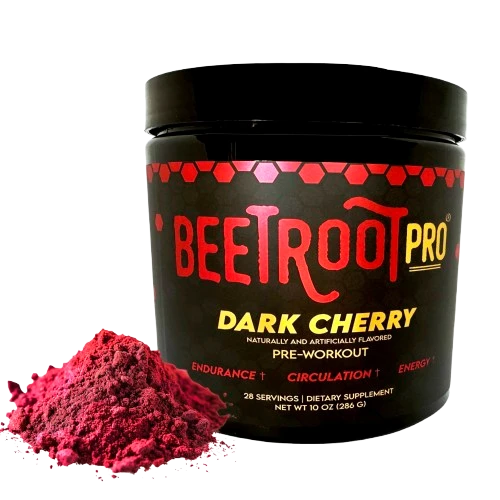
Beetroot Pro
- Patented betaine nitrate
- Acute Oxygen Efficiency
- Low Sugar / Oxalate Free
*Technical citations and PubMed references are provided for performance education only. These statements have not been evaluated by the FDA.